Lifestyle










By Grace Usher
The modern day diet for many individuals greatly differs from past generations. A traditionally meat-heavy society, many Americans are now choosing a more plant-based diet. In fact, Lake Havasu City has a large, hidden vegetarian/vegan community. The main issue with choosing this dietary lifestyle in a rural community is the lack of apparent resources; however, there may be more than many would think.
What is the difference of Vegetarian and Vegan Lifestyles?
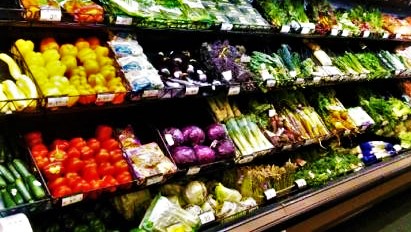
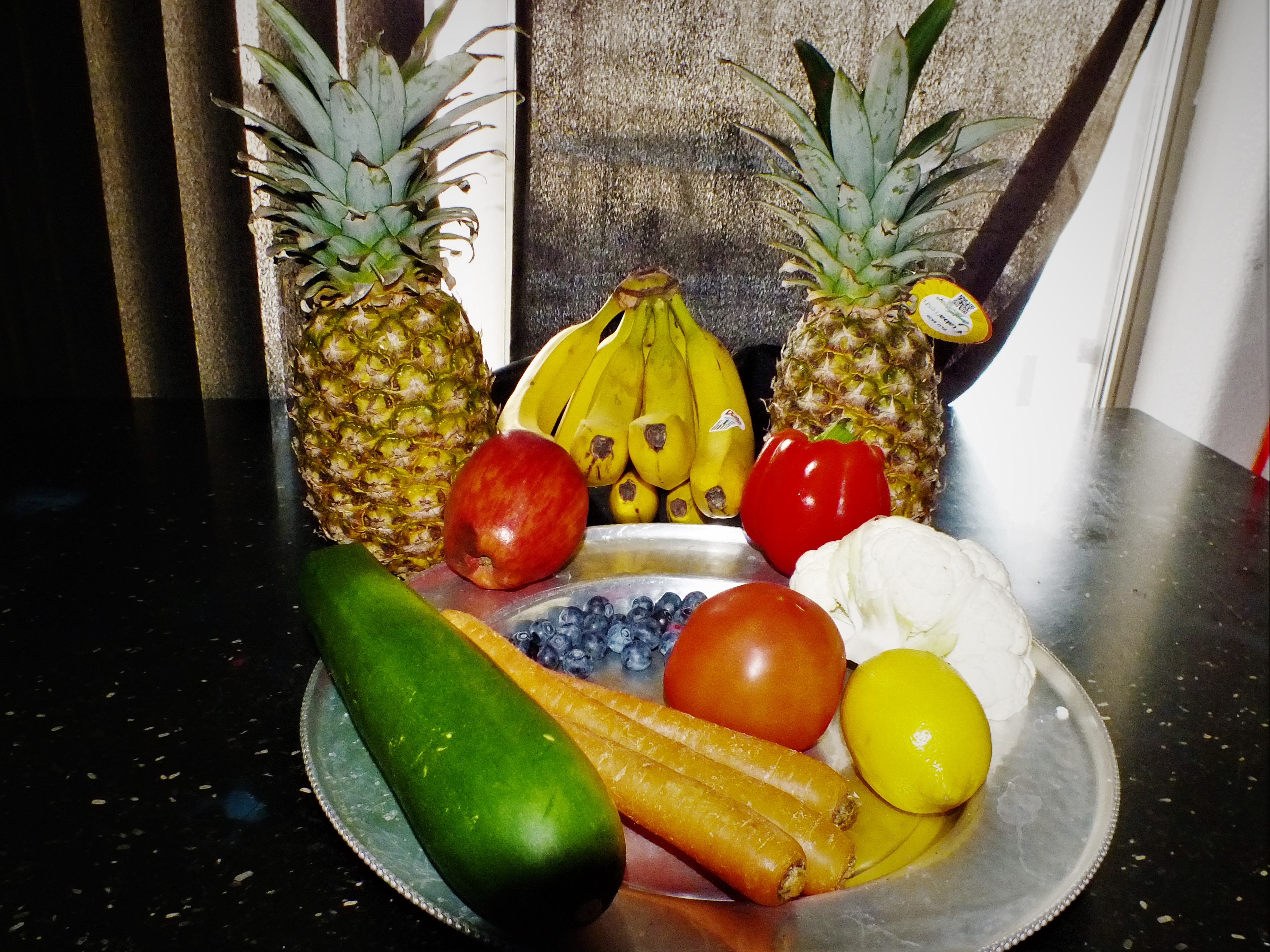
A traditional omnivore diet of a human being consists of grains, fruits, vegetable, sugars, dairy and meat.
Vegetarian: An individual who excludes meat products. There are many subcategories within the vegetarian community. For example, a lacto-ovo vegetarian is one that eats dairy and eggs yet excludes meat. A pescitarian is a vegetarian that excludes land-based meat from their diet such as beef, chicken and pork, yet includes fish in meals.
Vegan: An individual who excludes any animal-based product from their diet. This includes the removal of all meats (including fish), dairy, and eggs. With strict vegans, restricitions go a deep as avoiding meals cooked in lard, soups made with non-vegetable broths, white sugars/flours that are processed with bones.
In addition to items on the dinner table, many vegetarians and vegans avoid the use of cleaning, hygiene and cosmetic products that have been tested on animals.
Common Myths
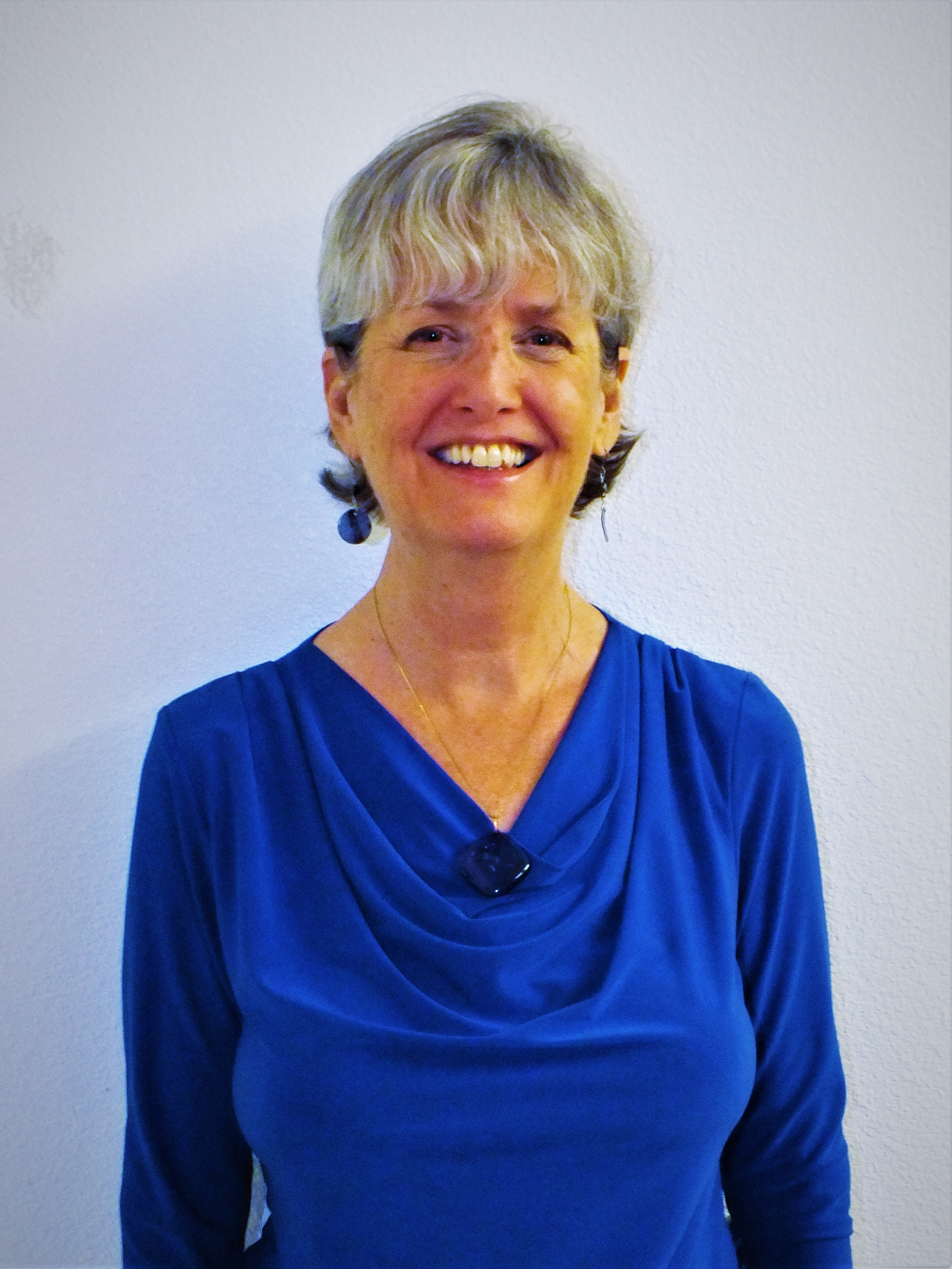
Mary Delsantos is a local certified nutritionist who has been a vegan for more than 30 years. She has helped local restaurants become more aware of the vegan community. Here are some common myths she has debunked:
Myth #1: Switching is too difficult and not healthy
“It was a gradual process. I did some research and decided to make changes for health reasons. I removed dairy for congestion. When I ate less meat, I had more energy. I first noticed that the plant-based foods I ate digested easier and the nutrients were absorbed better. Overall, vegans are leaner which leads to a lower risk of disease.”
Myth #2: Eating Meat and Dairy is not bad for the environment
“Switching to vegan is also the largest eco-friendly habit one can have; more than cars and plastic combined. Animal agriculture is the greatest cause of air and water pollution in the world.”
Myth #3: Vegans do not get enough protein
“Where do you think your meat gets its protein? If we have to eat something else to get enough, so do they. The grass, and other vegetables they eat give them protein. Eat dark greens everyday for a healthy amount of protein”
Myth #4: Vegans hardly eat anything.
“I eat huge volumes of food; work through your process of being satisfied. Change what you are cooking. Start with things you like. Don’t start with vegetables you hate and try to like them. Work with what you like and make them your new comfort food.”
5 Tips to transitioning to a vegetarian/vegan diet.
Local spots with Vegetarian and Vegan Options
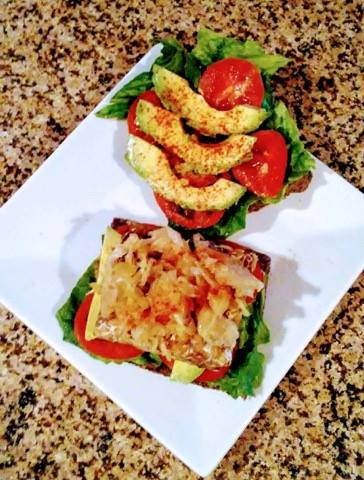
The veggie-lovers have spoken and Lake Havasu has listened. Check out these local restaurants that have plant-based options (without the sacrifice!)
*Tip: Before heading to a new restaurant, check if their menu is online to check options*

Leave a Comment
Keep it helpful, local, and respectful.